Water Restoration and Reconstruction Services in Atlanta: What Property Owners Should Expect
After a serious water loss, drying out the property is only half the job. Once an Atlanta home or building has been dried and cleaned, the parts that could not be saved still have to be rebuilt, and that is where reconstruction begins.
Many property owners are surprised to learn that restoration and reconstruction are two connected phases of the same recovery. Knowing how they fit together helps you set realistic expectations for the timeline, the budget, and the insurance claim.
This article explains what
water restoration and reconstruction involve, how the two phases connect, and what an Atlanta property owner should expect from start to finish. We handle both the drying and the rebuild, so we see exactly how a property moves from soaked to whole again.
What Is the Difference Between Water Restoration and Reconstruction?
Water restoration removes water, dries the structure, and salvages what can be saved, while reconstruction rebuilds the materials and finishes that were damaged beyond repair. On a significant loss, restoration comes first and reconstruction follows.
Restoration is the emergency and recovery phase. Reconstruction is the rebuilding phase. A minor loss may need only restoration, but when water destroys drywall, flooring, or structural materials, reconstruction returns the property to full function and appearance.
What Water Restoration Includes
Restoration is the immediate response after a water loss. The goal is to stop the damage from spreading and preserve as much of the existing structure and belongings as possible.
Water extraction and removal of standing water- Structural drying with professional air movers and dehumidifiers
- Moisture monitoring until materials reach a dry standard
- Removing unsalvageable materials such as soaked drywall and padding
- Cleaning and sanitizing affected surfaces
What Reconstruction Includes
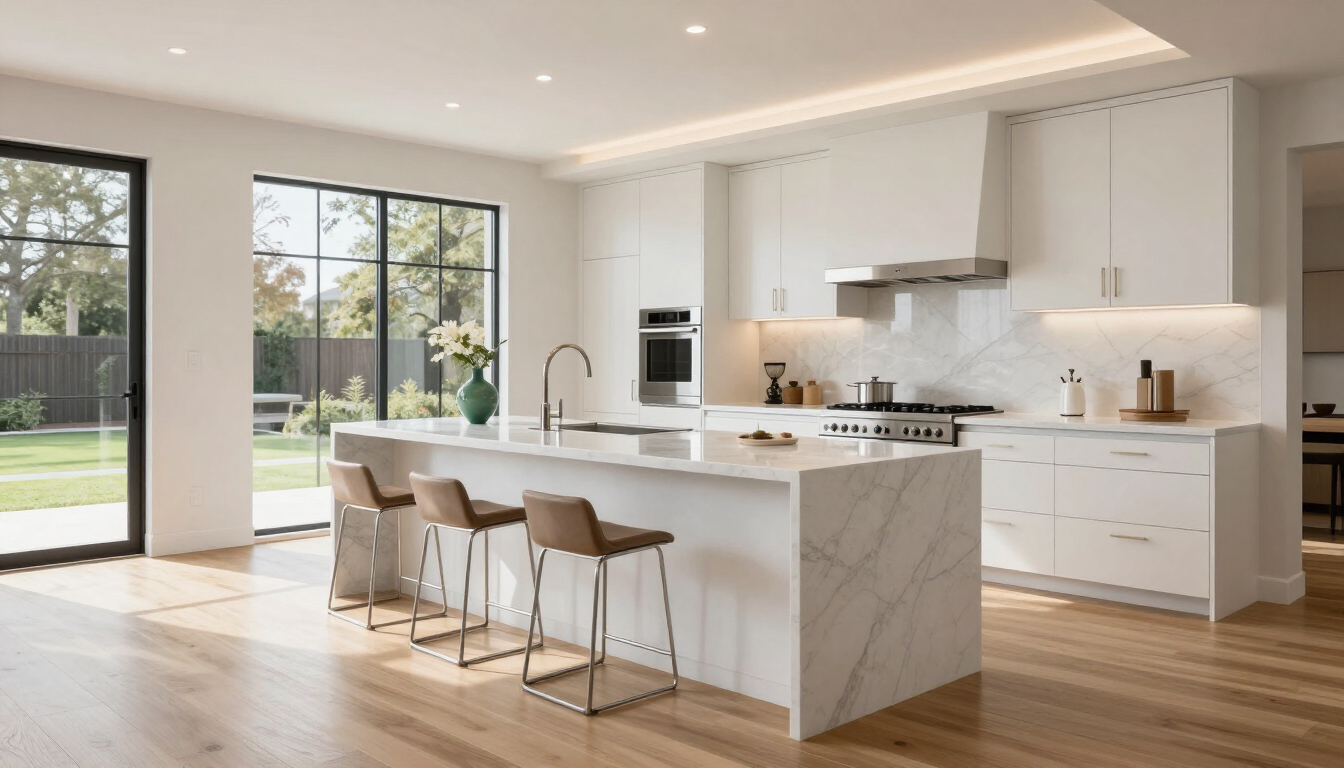
Reconstruction begins once the property is clean, dry, and stable. This phase rebuilds what was removed or destroyed, restoring the space to the way it looked and functioned before the loss.
Framing, drywall, and insulation replacement- Flooring, trim, and cabinetry installation
- Painting and finishing to match the original space
- Repairing structural elements damaged by water
- Final detailing so the space feels complete
What to Expect During the Reconstruction Process
Expect a clear sequence: the property is dried and stabilized first, damaged materials are removed, then the space is rebuilt and finished. Each step is planned so the property returns to full use without wasted time.
1. Assessment and Scope
Before rebuilding starts, the full extent of the damage is assessed, including anything hidden inside walls or beneath floors that the drying phase revealed. This defines the scope of the reconstruction and shapes the estimate you and your insurer will review.
2. Rebuilding the Structure
With the scope set, structural work begins. This can include reframing, replacing subfloor, and installing new drywall and insulation. Rebuilding on a fully dried structure is essential, since building over trapped moisture can lead to problems later.
3. Finishing and Final Details
The final phase restores the finishes: flooring, paint, trim, cabinetry, and fixtures. The goal is a space that matches what was there before, so the completed repair blends in rather than standing out as new work.
Why Restoration and Reconstruction Should Work Together
Restoration and reconstruction work best as one continuous project because the team that dried and documented the loss already understands its full scope. That continuity keeps the timeline tighter and the documentation consistent.
When separate companies handle drying and rebuilding, details can get lost in the handoff, and the property owner ends up coordinating between them. A single team carrying the project from emergency drying through the finished rebuild removes that gap.
We manage restoration and reconstruction as one process for Atlanta property owners, moving from water extraction and drying straight into the rebuild. That gives you a single point of contact and a consistent record of the damage and the work from beginning to end.
How Insurance Handles Water Damage Reconstruction
Insurance typically covers reconstruction when the underlying water loss is covered, though restoration and reconstruction are often estimated and documented as separate parts of the claim. Clear records for each phase keep the claim accurate.
Restoration costs cover the emergency work of extraction, drying, and cleaning. Reconstruction costs cover the rebuild, from framing and drywall through flooring and paint. An adjuster generally wants documentation for each, which is why detailed records from the drying phase carry into the reconstruction estimate.
Keeping thorough photos and an itemized scope for both phases strengthens your position if any part of the estimate is questioned. A team that documents carefully during drying makes the reconstruction side of the claim far easier to support.
Frequently Asked Questions
Do I always need reconstruction after water damage?
No. Many water losses need only restoration if the water is removed quickly and materials dry without permanent damage. Reconstruction is required when flooring, drywall, or structural materials are damaged beyond saving and must be rebuilt.
How long does water damage reconstruction take?
Timelines depend on how much must be rebuilt. Drying often takes several days, while reconstruction can range from days to weeks based on the scope. Your contractor should provide a schedule once the full extent of the damage is assessed.
Can one company handle both drying and rebuilding?
Yes, and it is usually the smoother path. A single company already knows the full scope of the loss, which keeps the timeline tighter, the documentation consistent, and leaves you working with one point of contact instead of coordinating separate contractors.
Will the rebuilt areas match the rest of my property?
The goal of the finishing phase is to match the original space as closely as possible, from flooring and paint to trim and fixtures. A well-executed reconstruction blends in with the surrounding areas rather than looking like an obvious repair.
What happens if moisture is left behind before rebuilding?
Building over trapped moisture can lead to mold and structural problems down the line, which is why drying is verified before reconstruction starts. Moisture meters confirm materials are dry so the rebuild sits on a sound, dry structure.
Key Takeaways on Water Damage Reconstruction in Atlanta
Restoration and reconstruction are two phases of one recovery: restoration dries and stabilizes the property, and reconstruction rebuilds what could not be saved. For Atlanta property owners facing a significant loss, expect the work to move in that order, with drying verified before any rebuilding begins.
The smoothest path is a single team carrying the project from extraction through the finished rebuild, with consistent documentation for your insurer along the way. If your Atlanta property has water damage that goes beyond a simple dry-out, our team can restore and rebuild it under one roof, so you are not left stitching the process together yourself.
Reach out to Superior Restoration once the water is under control and you are ready to plan the rebuild.
Recent Posts