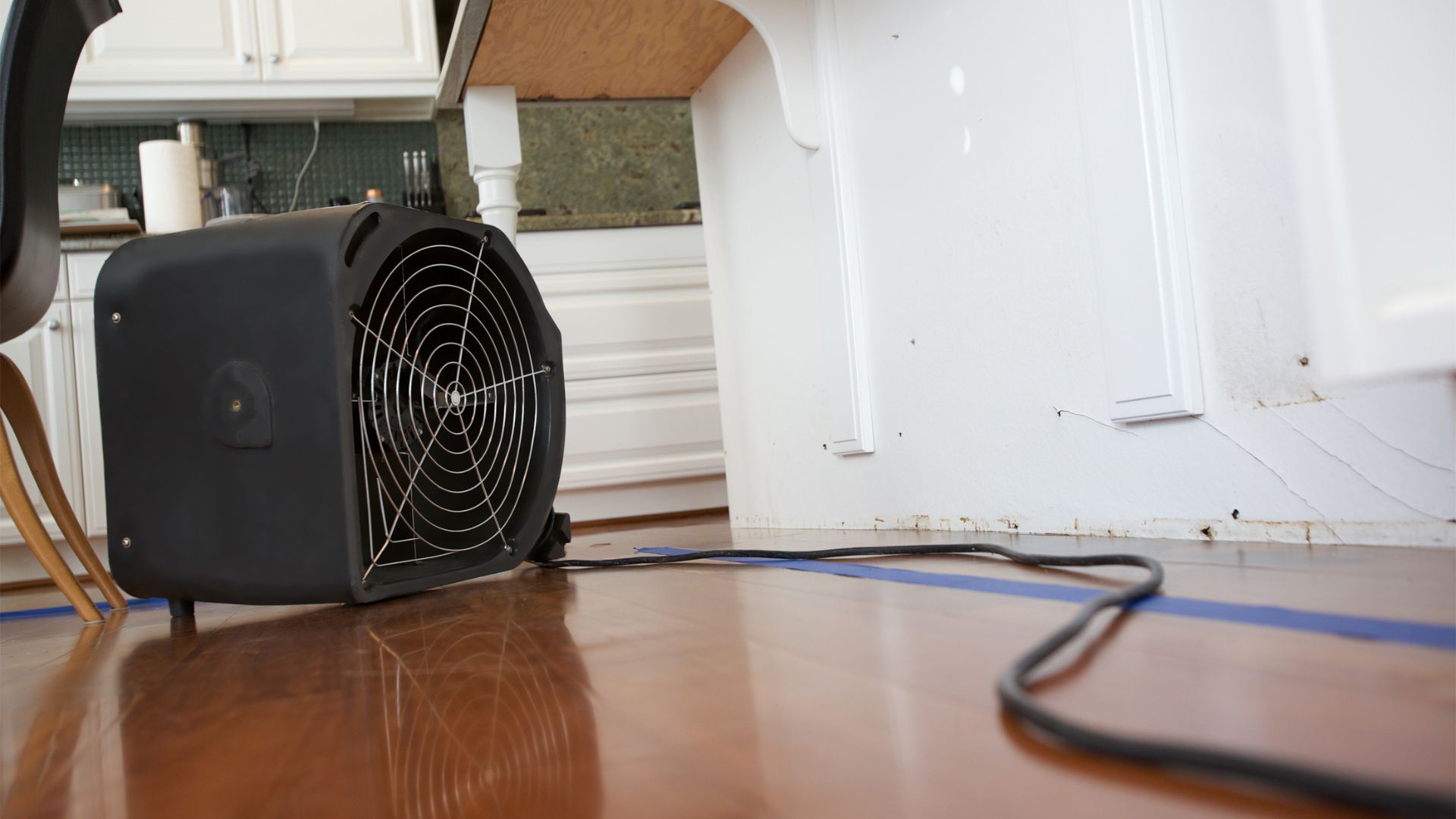
Filing a Water Damage Insurance Claim in Atlanta, GA: What Property Owners Need to Know
A supply line goes behind a washing machine, or a summer storm drives rain through a compromised roof, and suddenly an Atlanta property owner is dealing with soaked floors and a decision about insurance. What happens in the next few hours often shapes how the whole claim turns out.
A water damage claim pays more fairly and moves faster when the loss is documented properly and the policy is understood before an adjuster ever arrives. The most expensive mistakes usually happen early, before anyone thinks about paperwork.
This guide walks Atlanta property owners through what homeowners insurance typically covers, how to file a water damage claim, and the errors that slow claims down. We work through water losses with property owners across the Atlanta area, so we see how these claims play out.
What Water Damage Does Insurance Cover in Atlanta, GA?
Most standard property insurance policies cover water damage that is sudden and accidental, such as a burst pipe, an appliance failure, or storm-driven rain through a damaged roof. Gradual leaks and flooding are usually treated differently.
The cause and timeline of the loss drive coverage. Insurers look closely at whether the damage happened suddenly or developed over time, because that difference often decides whether a claim is approved or denied.
1. Losses Usually Covered
These situations fall within most standard policies, though your declarations page is always the final authority on what applies to you.
- A pipe bursting behind a wall, under a floor, or in a ceiling
- An appliance supply line failing, such as a dishwasher or water heater
- Storm-driven rain entering through wind-damaged roofing or windows
- An overflow from a plumbing fixture not caused by neglect
2. Losses Often Excluded
Certain causes sit outside a standard policy and either need separate coverage or are denied. Knowing them in advance prevents an unwelcome surprise mid-claim.
- Flooding from rising surface water, which requires separate flood insurance
- Slow leaks and seepage that developed over weeks or months
- Damage tied to deferred maintenance or an unrepaired problem
- Sewer or drain backups, unless a backup endorsement is on the policy
Atlanta's heavy spring and summer storms make it worth confirming whether you carry flood coverage separately, since standard property insurance does not include flooding from rising water.
What to Do Immediately After Water Damage
The first hours after a water loss shape both the repair and the claim. Acting quickly limits secondary damage and demonstrates to your insurer that you took reasonable steps to protect the property.
Once everyone is safe, work through these steps in order.
- Stop the water source if you can do so safely, such as shutting the main valve
- Turn off electricity to affected areas if water is near outlets or panels
- Photograph and video everything before moving or removing anything
- Move undamaged belongings to a dry area
- Report the claim to your insurer and get a claim number
- Call a restoration company to begin extraction and drying
Most policies require you to take reasonable steps to prevent further damage. Letting water sit for days can give an insurer grounds to reduce a payout, so prompt drying protects both your property and your claim.
How to File a Water Damage Insurance Claim in Atlanta, GA
To file a water damage claim, notify your insurer as soon as you discover the loss, document everything thoroughly, and keep records of every conversation and expense. Prompt reporting and strong documentation carry a claim.
The process generally follows a predictable path, though timelines and requirements vary by carrier and the size of the loss.
1. Report the Claim Promptly
Contact your insurer by phone or app to open the claim. Have your policy number ready and describe what happened, when you found it, and which areas are affected. Record the claim number and the representative's name for your file.
2. Document the Damage Thoroughly
Take clear photos and video of every affected room, item, and building material, and capture the water source if it is visible. Keep damaged items when it is safe to do so until an adjuster has inspected them, since discarding evidence can weaken the claim.
3. Work With the Adjuster
The insurer sends an adjuster to inspect the damage and estimate repairs. Walk the property with them, point out everything affected, and share your documentation. You are allowed to have your restoration contractor present to discuss the true scope of the damage.
4. Review the Estimate
Compare the adjuster's estimate against your restoration company's assessment. If the two differ significantly, you can ask questions and request a reinspection. Keep every receipt tied to the loss, including temporary lodging if the property is unlivable.
How a Restoration Company Supports Your Claim
A restoration company documents the damage in detail, dries the structure to prevent further loss, and provides an itemized scope that supports what you submit to your insurer. That documentation often carries as much weight as the drying itself.
We use moisture meters and professional drying equipment to confirm when a structure is fully dry, and we keep those readings on record. This creates a clear, dated account of the damage and the work performed, which is exactly what an adjuster expects to see.
When damage is severe enough that materials must be rebuilt, our reconstruction work continues the same documentation into the repair phase. Keeping the record consistent from drying through rebuilding helps the claim hold together from start to finish.
Common Mistakes That Delay or Reduce Claims
Even a valid claim can stall when property owners make avoidable errors. Awareness of these pitfalls helps protect your payout.
- Waiting too long to report the loss or begin drying
- Discarding damaged items before they are documented
- Making permanent repairs before the adjuster inspects the damage
- Losing receipts for expenses connected to the loss
- Assuming everything is covered without reading the policy
A simple file, digital or paper, holding your photos, receipts, and notes from every call gives you a clear record if any part of the claim is later questioned.
Frequently Asked Questions
Does homeowners insurance cover water damage in Georgia?
Yes, most Georgia policies cover sudden and accidental water damage, such as a burst pipe or storm-driven roof leak. Gradual leaks, flooding from rising water, and damage from neglected maintenance are generally excluded and may require separate coverage.
How soon should I file a water damage claim?
Report the loss as soon as you discover it. Policies require prompt notice, and delays can reduce or void a payout. Filing quickly also lets drying begin sooner, which limits secondary damage and keeps repair costs lower.
Will a claim raise my insurance premium?
It can, depending on your insurer and claim history. Even so, an unaddressed water loss often causes far more expensive damage over time. Ask your agent how a single claim might affect your policy before you decide.
Can I pick my own restoration company?
Yes. You have the right to choose the restoration company that repairs your property. An insurer may recommend a provider, but the decision is yours, and you can select a local company you trust to do the work.
What if the adjuster's estimate seems too low?
Compare it against an independent estimate from your restoration company. If damage was missed or underestimated, you can point to the documentation and request a reinspection. Detailed records from the drying phase make that conversation far easier.
Final Thoughts on Your Water Damage Insurance Claim
A water damage insurance claim in Atlanta goes more smoothly when you act fast, document thoroughly, and know what your policy covers before an adjuster arrives. Reporting promptly, keeping damaged items until they are inspected, and saving every receipt all work in your favor.
Start a file the moment you discover the damage, and begin professional drying quickly to limit further loss. If your Atlanta property has taken on water, our team can extract the water, dry and rebuild the structure, and document the damage for your insurer so nothing important gets overlooked.
Reach out when the loss happens, not after the claim stalls.
Recent Posts