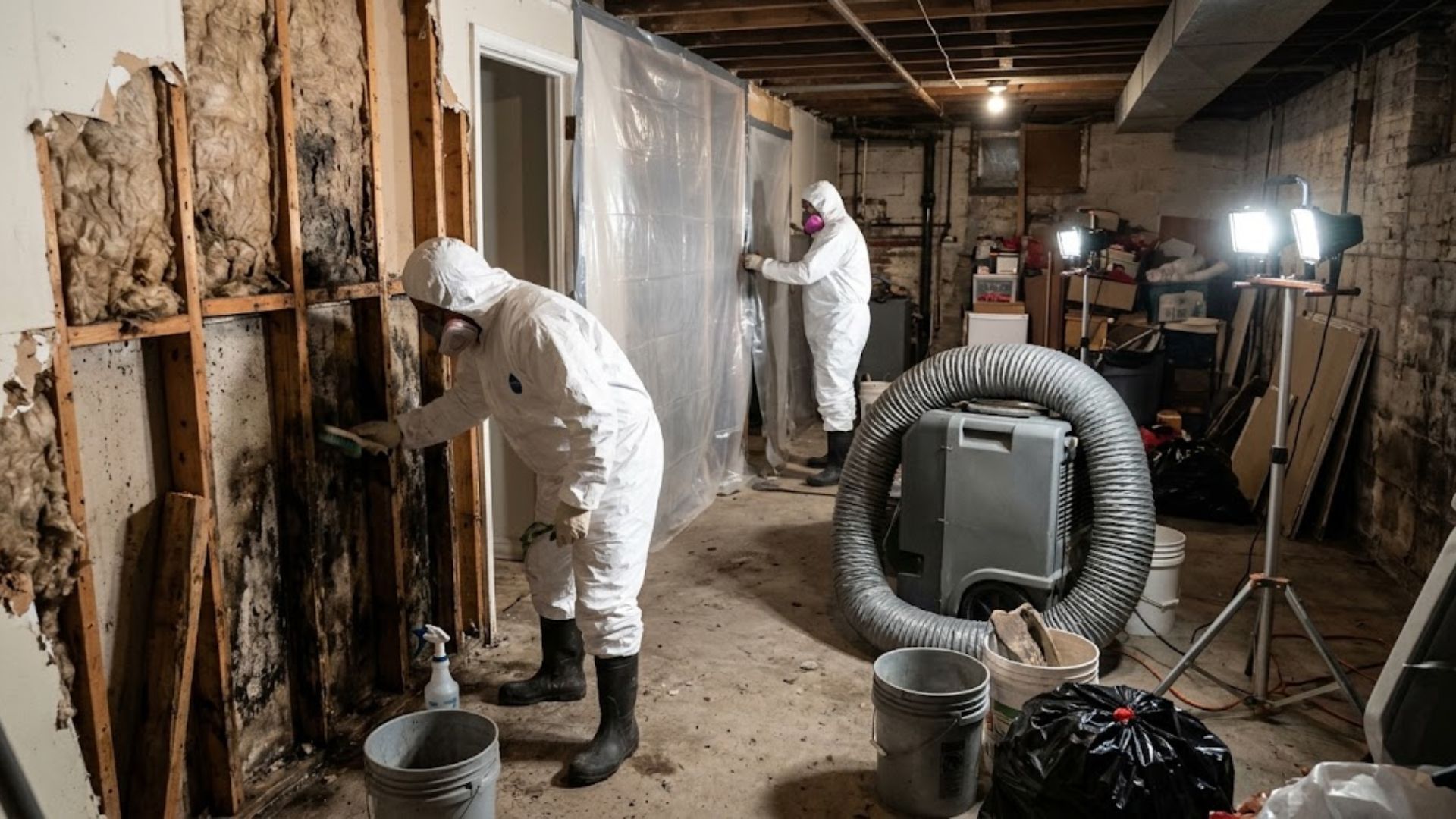
Noticing musty odors or water stains in your Atlanta home? Learn the causes of mold, warning signs, and our remediation process for a healthier space.
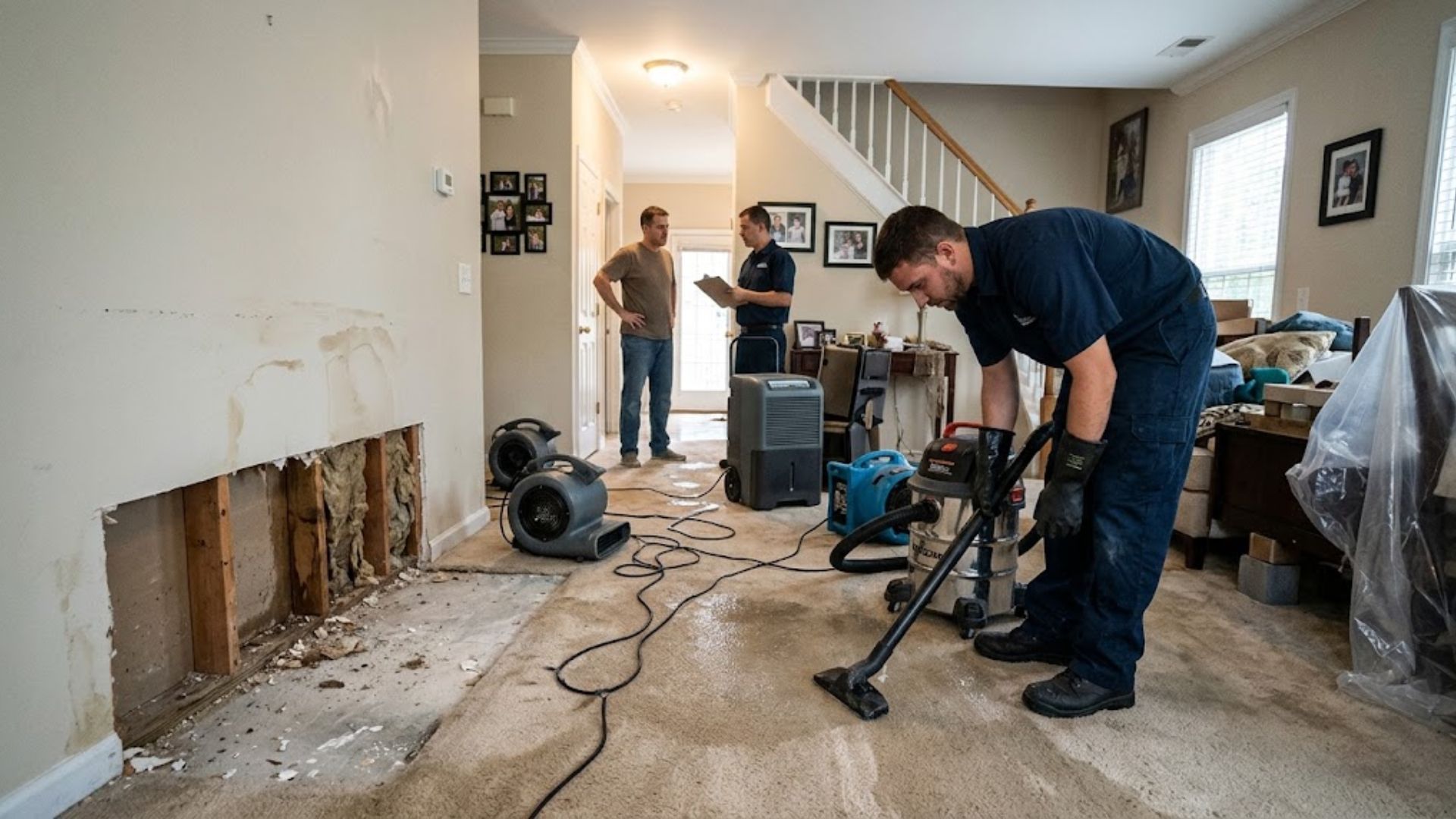
Water doesn't need a flood to do serious damage. A supply line behind a washing machine, a slow leak under a kitchen sink, or a sump pump that fails during a heavy rain can soak flooring and drywall just as thoroughly as a burst pipe. In Sandy Springs, where many homes have mature landscaping, finished basements, and plumbing systems that have been in place for decades, these smaller water events happen more often than homeowners expect. This article explains the common causes of water damage in the area, how our restoration process works, and the decisions homeowners need to make quickly to limit damage and support an insurance claim. Common Causes of Water Damage in Sandy Springs Homes Several factors specific to this area contribute to water damage calls we see throughout the year. Aging plumbing: Many homes in established Sandy Springs neighborhoods have original plumbing that's more prone to leaks and pipe failures as it ages. Heavy seasonal rainfall: Georgia's spring storms can overwhelm grading and drainage around homes, pushing water toward foundations and basements. Finished basements: Basements used as living space are more likely to sustain costly damage to flooring, drywall, and furniture when water gets in. Appliance and HVAC failures: Water heaters, washing machine hoses, and HVAC condensation lines are common sources of slow leaks that go unnoticed until damage is visible. Tree roots: Mature trees common throughout Sandy Springs can intrude on sewer or water lines over time, leading to leaks or backups. Understanding Water Damage Categories Not all water damage carries the same risk, and the category of water involved affects how a restoration project is handled. 1. Clean Water This includes water from a broken supply line or rainwater without contaminants. It carries the lowest risk but can still cause significant structural and material damage if left standing. 2. Gray Water Water from sources like washing machines, dishwashers, or sump pump discharge may contain some contaminants and requires more careful cleanup to avoid health risks. 3. Black Water Water from sewage backups, flooding, or water that's been standing for an extended period is considered contaminated and requires specialized handling, including removal of affected porous materials. Our Water Damage Restoration Process Once we're on site, our goal is to stop the damage from spreading and begin drying as quickly as possible. 1. Damage Assessment We inspect the property to identify the source of the water and the full extent of affected materials, including areas that may not be visibly wet yet. 2. Water Extraction Standing water is removed first, since every hour it sits increases the risk of damage to flooring, drywall, and subflooring. 3. Structural Drying We use professional moisture detection equipment along with air movers and dehumidifiers to dry materials that can be restored. Drying typically takes three to five days, though the timeline depends on how much water was involved and what materials were affected. 4. Moisture Monitoring We track drying progress against target moisture levels rather than guessing when a space is dry, which helps prevent mold growth later. 5. Documentation We record the affected areas and damaged materials throughout the project to support your insurance claim. 6. Repairs and Restoration Any drywall, flooring, or insulation that couldn't be saved is replaced as part of the project, so your home is fully restored rather than left with a gap in the work. What to Do (and Avoid) Before Help Arrives A few decisions in the first hour or two after discovering water damage can affect the outcome of the project. Do shut off the water source if it's safe and accessible, such as a supply valve under a sink. Do move furniture and valuables away from standing water if you can do so safely. Don't use a household vacuum to remove standing water, which can cause electrical damage. Don't wait to see if a small leak dries out on its own. Hidden moisture behind walls or under flooring often leads to mold within a couple of days. Don't throw away damaged items before documenting them for your insurance claim. Water Damage and Insurance Considerations
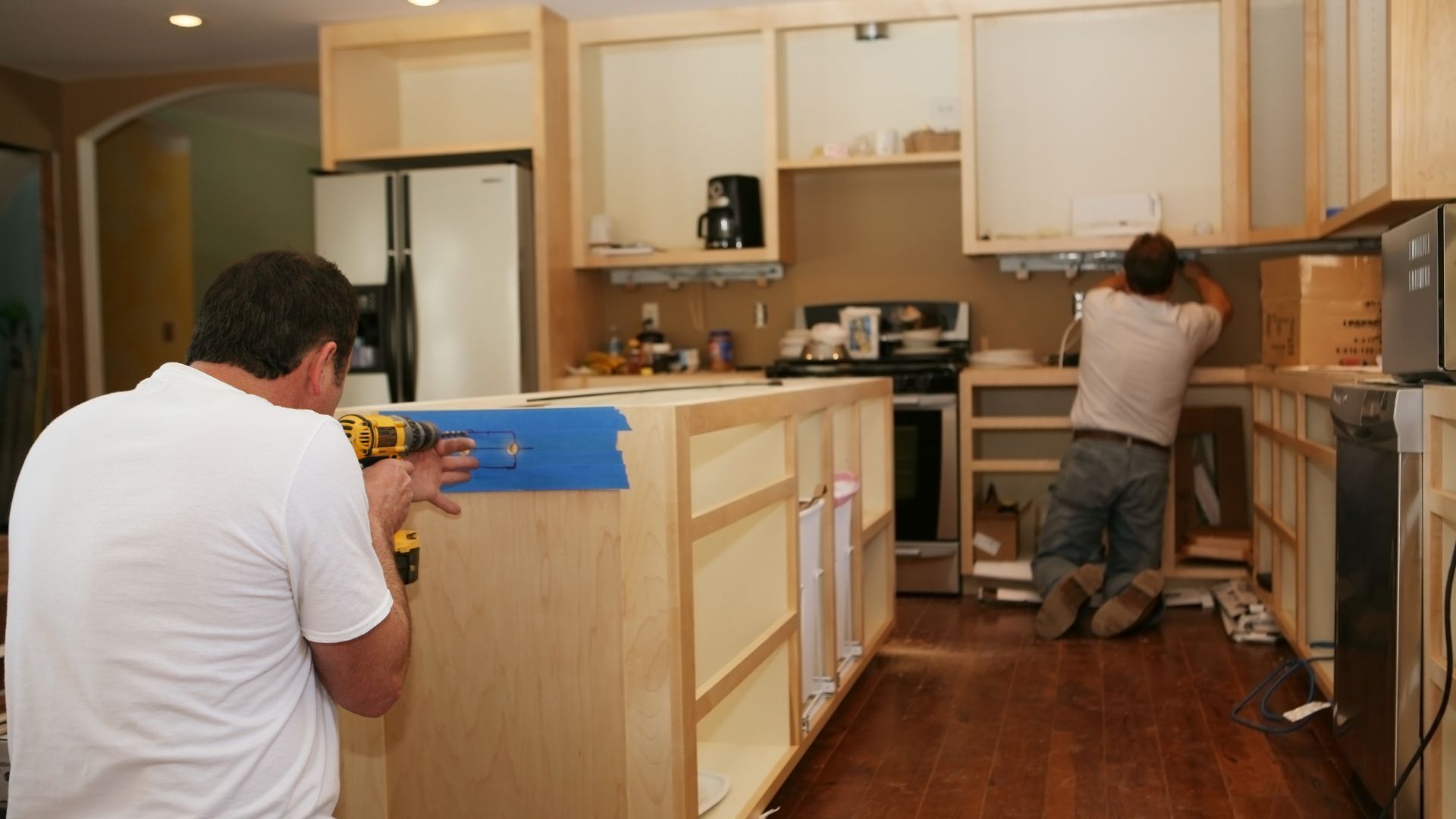
Planning a remodel after water damage in Atlanta, GA? Learn when to rebuild versus upgrade, how the process works, and what to expect from start to finish.
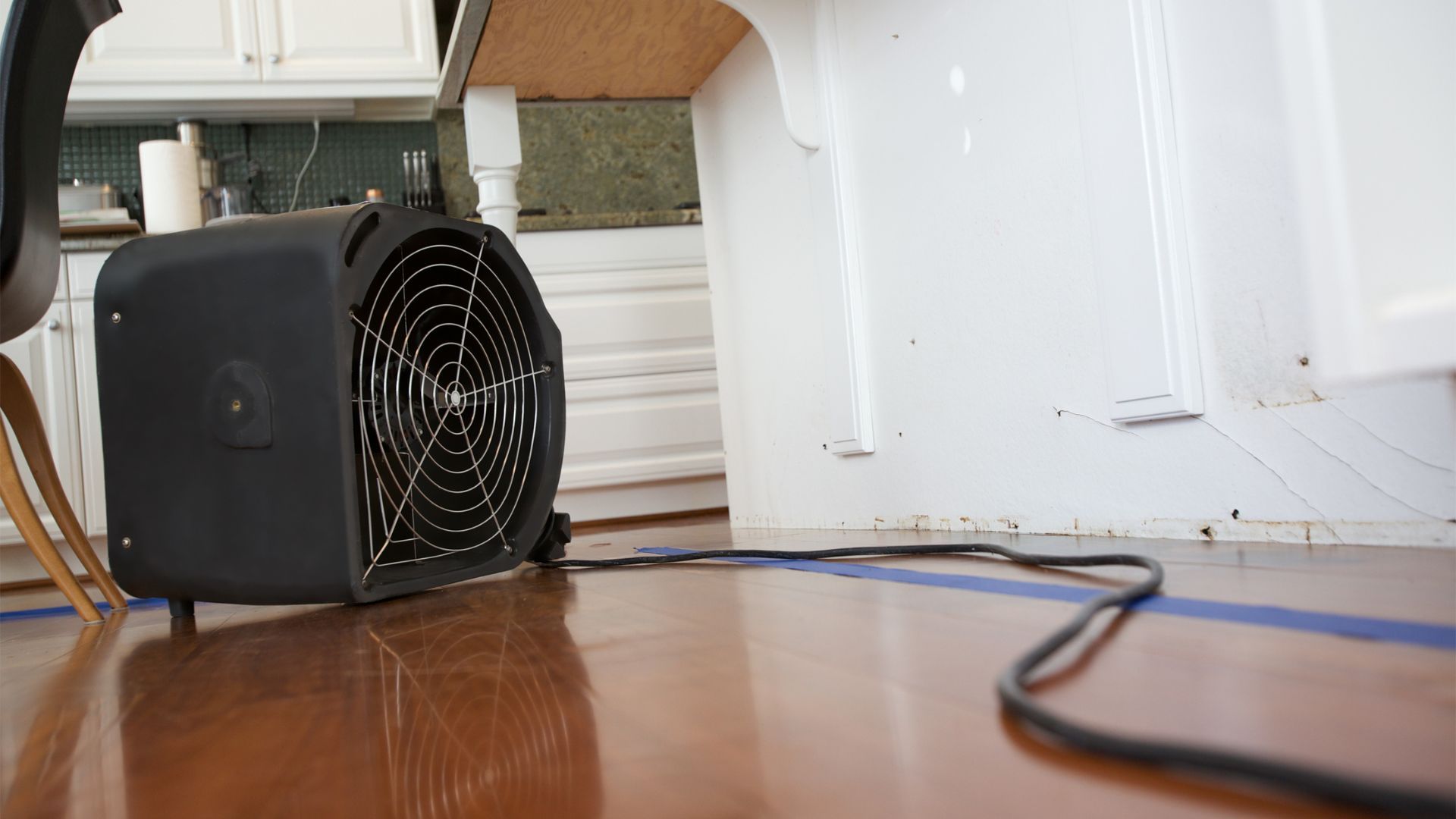
Water damage reconstruction in Atlanta, GA explained: how restoration and rebuilding work together, what to expect, and how the process gets your property whole.

A clear guide to filing a water damage insurance claim in Atlanta, GA: what your policy covers, the steps to take, and mistakes that cost you money.
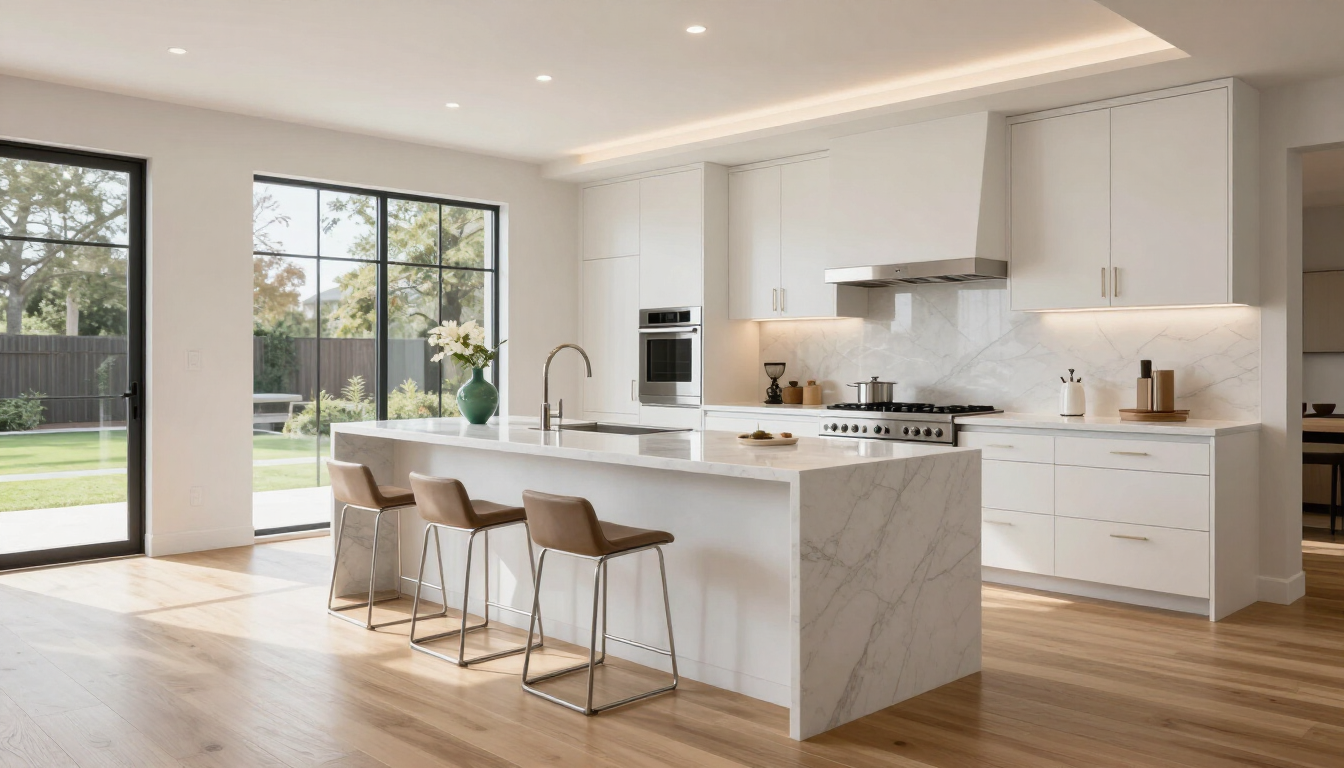
Expert tips for home remodeling in Atlanta. Learn about budgeting, planning, and reconstruction services from Superior Restoration's 30 years of experience.