Water Damage and Insurance Considerations
A musty smell in the basement or a dark ring spreading across a ceiling tile usually means one thing: moisture has been sitting somewhere it shouldn't. In Atlanta's humid climate, that moisture rarely stays contained for long.
Mold spores are already present in nearly every home. Give them a damp surface and a few days, and they turn into a colony that can affect indoor air quality, damage building materials, and complicate a home sale or insurance claim.
This article covers what causes
mold growth after water damage, the warning signs Atlanta homeowners should watch for, and what our mold remediation process involves, from first inspection to final repairs.
Why Mold Grows After Water Damage in Atlanta Homes
Atlanta's combination of high humidity, heavy spring and summer rainfall, and older housing stock creates ideal conditions for mold once water gets where it shouldn't. Mold needs three things: a moisture source, a food source such as drywall, wood, or carpet backing, and time. Georgia's climate supplies the first requirement more generously than drier regions.
Common moisture sources we see in Atlanta properties include:
Roof leaks following storms- Plumbing leaks inside walls or under slabs
- HVAC condensation lines that clog in peak summer humidity
- Basement or crawl space seepage after heavy rain
- Appliance leaks from water heaters, washing machines, or refrigerators
Once a leak or flood event introduces moisture into drywall, subflooring, or framing, mold can begin forming within 24 to 48 hours under the right conditions. That is part of why a fast response after any water intrusion matters.
Signs Your Atlanta Home May Have a Mold Problem
Not every mold issue is visible. Some of the clearest signs are things you smell or feel before you see anything.
1. Musty or Earthy Odors
A persistent musty smell, especially in a basement, bathroom, or around windows, is often the first indicator of hidden mold. If the odor doesn't fade after cleaning and ventilating the space, there is likely moisture or growth behind a wall or under flooring.
2. Visible Discoloration
Look for black, green, gray, or white spotting on drywall, grout, wood trim, or ceiling tiles. Discoloration that keeps returning after cleaning usually means the moisture source hasn't been addressed.
3. Water Stains or Warping
Yellow-brown rings on ceilings, bubbling paint, or warped baseboards point to a moisture problem that may already be feeding mold growth inside the wall cavity.
4. Increased Allergy or Respiratory Symptoms
Sneezing, coughing, or irritated eyes that improve when you leave the house can indicate mold spores are affecting indoor air quality, particularly in homes with limited ventilation.
What Our Mold Remediation Process Involves
When our team responds to a mold call in Atlanta, we focus on two things at once: removing the mold and addressing the moisture that caused it. Treating one without the other almost guarantees the problem returns within months.
1. Assessment and Moisture Source Identification
We start by inspecting the affected areas and tracing the moisture back to its source, whether that's a roof leak, a plumbing failure, or chronic humidity in a crawl space. Identifying the source matters more than the visible mold itself, since remediation without a fix is temporary.
2. Containment
Before any removal begins, we isolate the work area to prevent spores from spreading to unaffected parts of the home during cleanup.
3. Removal and Cleaning
Materials that are too porous to clean, such as saturated drywall or insulation, are removed and disposed of. Surfaces that can be cleaned and treated, like framing lumber or concrete, are restored rather than replaced wherever possible.
4. Drying and Final Review
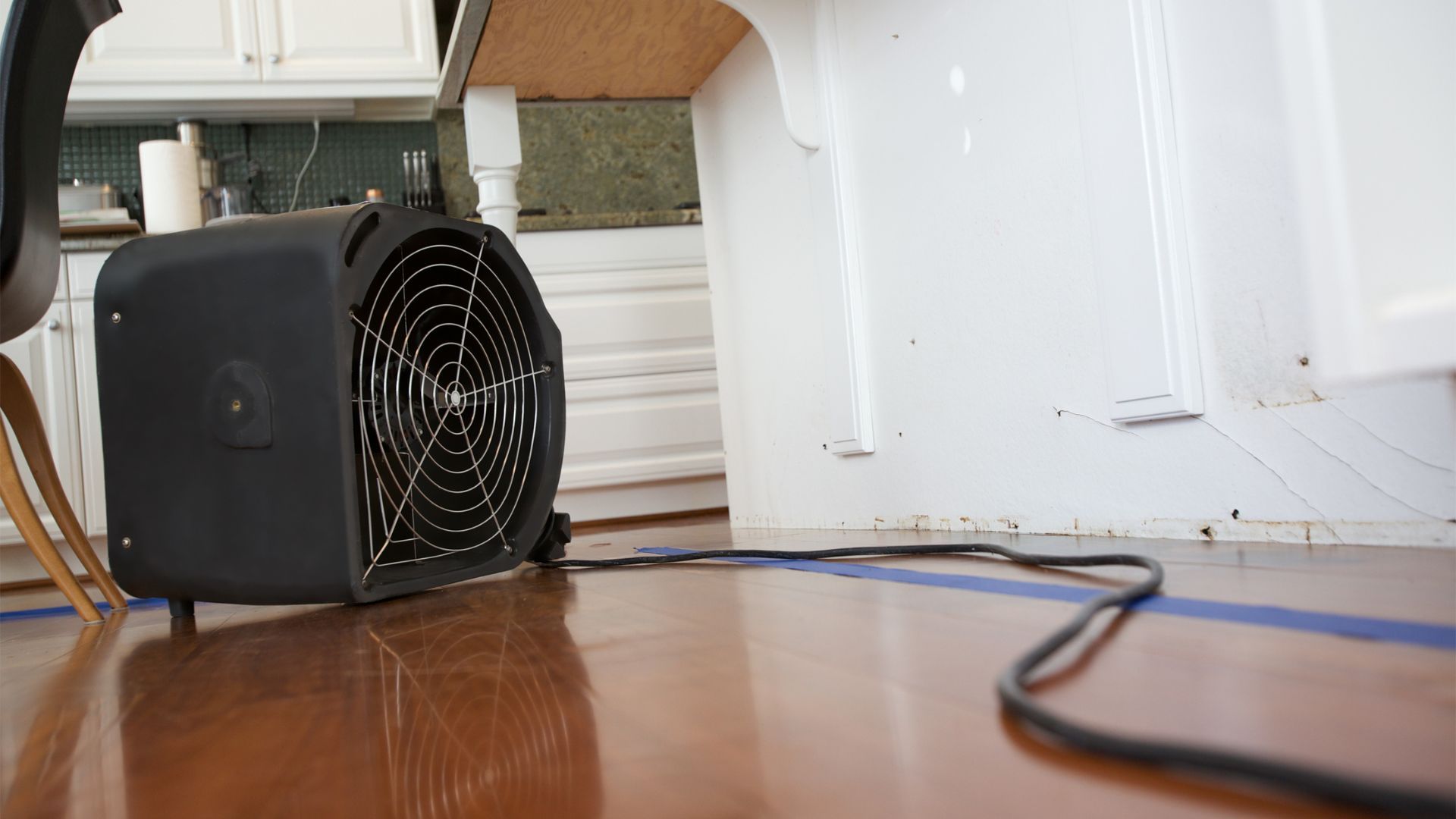
Once materials are cleaned, we dry the space thoroughly and confirm moisture levels are back to a normal range before considering the job complete.
5. Repairs and Reconstruction
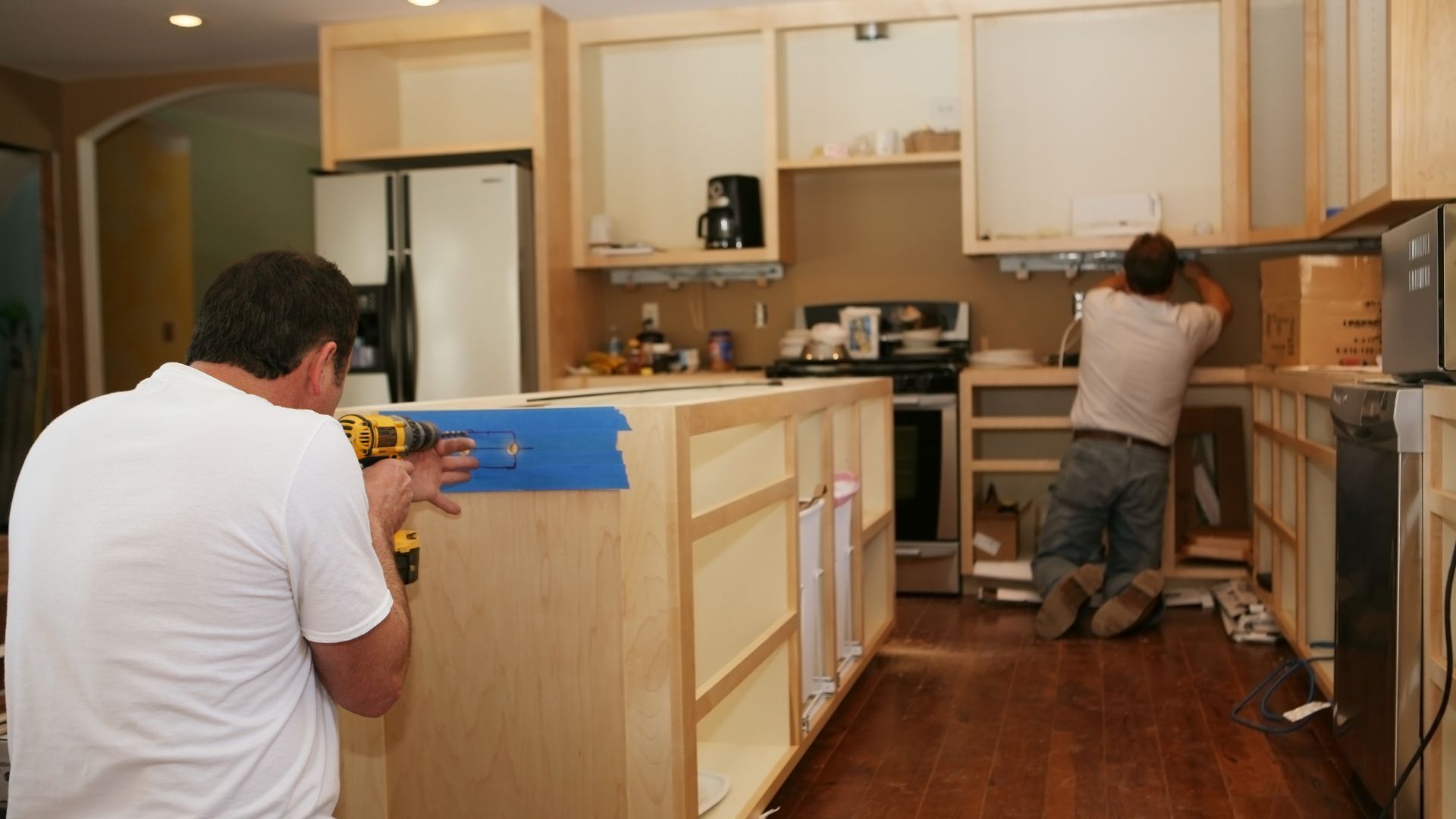
Any drywall, flooring, or insulation that had to be removed is replaced as part of the project, so the space is restored, not just cleaned.
When to Call a Professional Versus Handling It Yourself
Small, isolated spots of surface mold on a non-porous surface, such as tile grout, can sometimes be cleaned with household products. Mold that covers an area larger than about 10 square feet, that has returned after cleaning, or that followed a flood or significant leak usually needs professional attention.
Homeowners should also be cautious about disturbing mold without containment, since dry-brushing or sanding affected drywall can release spores into the air and spread contamination to other rooms.
Mold Remediation and Your Homeowners Insurance
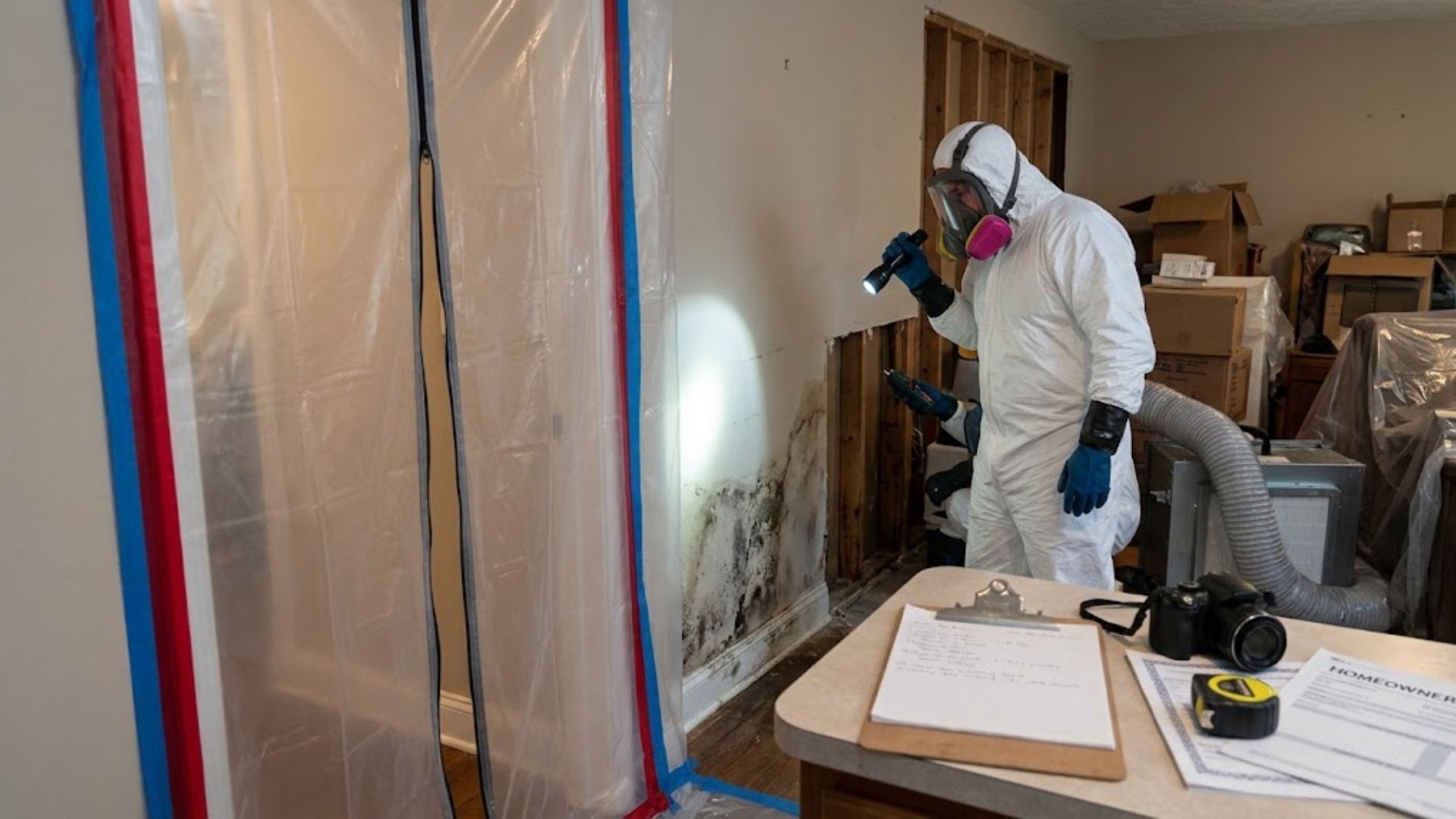
Whether mold remediation is covered by insurance often depends on what caused the moisture. Sudden, accidental water damage, such as a burst pipe, is more likely to be covered than mold resulting from long-term neglect or a slow leak that went unaddressed. We document the affected areas and communicate with your adjuster throughout the project, which can help support a claim, but coverage decisions are ultimately up to the insurance carrier.
Related Services for Atlanta Property Owners
Mold problems rarely show up on their own. If the mold followed a flood, storm, or plumbing failure, our water damage restoration and storm damage restoration services address the underlying water event, while our reconstruction and remodeling teams repair anything that had to be removed during cleanup.
Frequently Asked Questions
How Long Does Mold Remediation Take?
Most residential mold remediation projects take three to seven days, depending on the extent of the contamination and how much material needs to be removed and dried. Larger infestations or jobs involving significant demolition and reconstruction can take longer.
Can I Stay in My Home During Mold Remediation?
In many cases, yes, especially if the affected area can be contained to a single room or section of the house. For extensive mold growth or when air quality is significantly affected, temporary relocation may be recommended.
Does Every Atlanta Home Have Some Mold?
Mold spores exist almost everywhere in small amounts, including outdoor air. The concern is active growth on surfaces, not the mere presence of spores, which is why addressing moisture quickly is more useful than trying to eliminate all spores.
What's the Difference Between Mold Remediation and Mold Removal?
Mold removal implies eliminating all mold, which isn't realistic given how common spores are in the environment. Mold remediation focuses on returning mold levels to a normal, healthy range and fixing the moisture problem that allowed growth in the first place.
Will Mold Come Back After Remediation?
It can, if the original moisture source isn't fixed. That's why our process addresses the leak, humidity issue, or water intrusion alongside the visible mold, rather than only treating the surface.
Final Thoughts on Mold Remediation in Atlanta, GA
Mold growth is rarely just a cosmetic issue. Left alone, it can damage building materials, affect indoor air quality, and signal a moisture problem that's doing damage you can't see yet. Atlanta's humidity means homes here are more prone to recurring mold than properties in drier climates, which makes early action worthwhile.
If you've noticed a musty smell, visible spotting, or recent water damage in your home, our team can inspect the property, identify the moisture source, and walk you through a remediation plan built around your specific situation. Catching a mold problem early typically means less material to remove and a shorter timeline to get your home back to normal.
Recent Posts