How to Plan a Successful Home Remodeling in 2026

Jamie Randall • September 4, 2026

Home remodeling is the process of improving or renewing a residential structure to enhance functionality, aesthetics, or property value. Successful projects require meticulous planning, realistic budgeting, and expert execution. In 2026, Atlanta homeowners prioritize energy-efficient upgrades, smart home integration, and modernizing layouts while preserving the unique architectural charm of their neighborhoods.

Taking the leap to transform your living space is a significant decision that impacts both your lifestyle and your financial portfolio. Whether you are looking to update a dated kitchen, expand your living area for a growing family, or restore a property after unforeseen damage, the journey begins with a clear vision and a solid strategy. At Superior Restoration , we have spent over 30 years helping homeowners navigate the complexities of reconstruction and remodeling, ensuring that every project reflects the homeowner's needs while adhering to the highest standards of safety and quality.

What is the first step in a home remodeling project?

The foundation of any successful home remodeling project is a well-defined plan. Before you pick up a sledgehammer or browse for new fixtures, you must identify your primary goals. Are you remodeling to increase resale value, or are you tailoring the space to your specific long-term needs? Understanding the "why" behind your renovation will guide every subsequent decision, from material selection to the choice of a contractor.

Once goals are established, creating a detailed scope of work is essential. This document should outline every change you wish to make, including structural modifications, electrical updates, and cosmetic finishes. In Atlanta, where historic homes meet modern design, this phase often involves consulting with architects or designers to ensure that your vision is structurally sound and compliant with local building codes.

Key considerations during the planning phase include:

  • Defining the primary purpose of the remodel
  • Listing must-have features versus nice-to-have upgrades
  • Researching current design trends and material costs
  • Identifying potential structural constraints within the home
  • Setting a realistic timeline for completion

How do I budget for home remodeling in Atlanta?

Budgeting is often the most challenging aspect of the remodeling process. In 2026, material costs and labor rates in the Atlanta area continue to fluctuate, making it vital to establish a comprehensive financial plan early on. A common mistake is budgeting only for the visible components of the remodel—like cabinetry or flooring—while ignoring the essential behind-the-scenes work such as plumbing, wiring, and subfloor preparation.

Expert renovators recommend the "10-20% Rule," which suggests setting aside a contingency fund of at least 10 to 20 percent of your total budget to cover unexpected expenses. This is particularly important for older homes in neighborhoods like Buckhead or Virginia-Highland, where hidden issues like mold, outdated wiring, or structural rot often come to light once walls are opened. By planning for the unexpected, you ensure that your project can reach completion without financial strain.

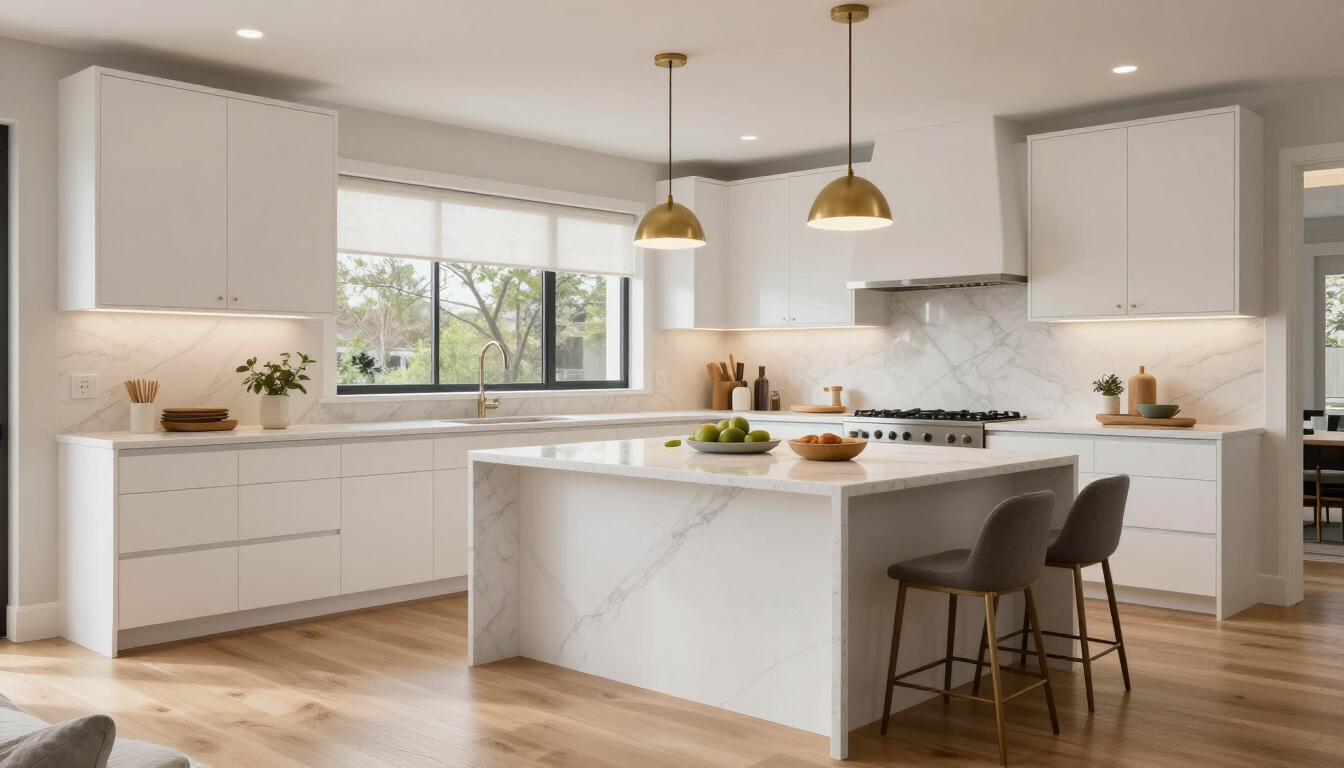
Modern Kitchen Remodel

The Essential Phases of the Remodeling Process

Understanding the sequence of events in a remodel helps manage expectations and reduces the stress associated with living in a construction zone. While every project is unique, most follow a standard progression from demolition to the final walkthrough. At Superior Restoration, we emphasize clear communication during each of these phases to keep homeowners informed and confident in the progress of their services .

  1. Demolition and Structural Prep: The space is cleared, and any non-essential structures are removed. This is the stage where potential issues are most likely to be discovered.
  2. Mechanical and Infrastructure: Plumbers, electricians, and HVAC technicians install the necessary systems behind the walls. This is the "bones" of the project.
  3. Closing the Walls: Insulation and drywall are installed, transforming the space from a construction site back into a room. This is a significant milestone for homeowners.
  4. Finish Work and Cabinetry: Flooring, cabinets, and built-ins are installed. This is where the aesthetic vision truly begins to take shape.
  5. Fixtures and Final Touches: The installation of lighting, faucets, paint, and trim completes the transformation.

Which rooms add the most value to your home?

If ROI (Return on Investment) is a priority, focusing your remodeling efforts on specific areas can yield significant financial benefits. In the current Atlanta real estate market, kitchen and bathroom renovations remain the top contenders for adding value. A modern, functional kitchen is often the deciding factor for potential buyers, while an updated master suite provides the luxury appeal that commands higher prices.

However, value isn't just about the kitchen. Converting unused attic or basement space into living areas—such as a home office or a guest suite—can drastically increase the square footage and utility of your home. As remote work continues to be a staple in 2026, specialized home office spaces are highly sought after. Additionally, improving energy efficiency through better insulation and windows can lower long-term utility costs, adding "hidden" value to the property.

When considering value-added improvements, think about:

  • Upgrading to high-efficiency appliances and lighting
  • Refreshing bathroom tile and modernizing walk-in showers
  • Enhancing curb appeal with new siding or entryway updates
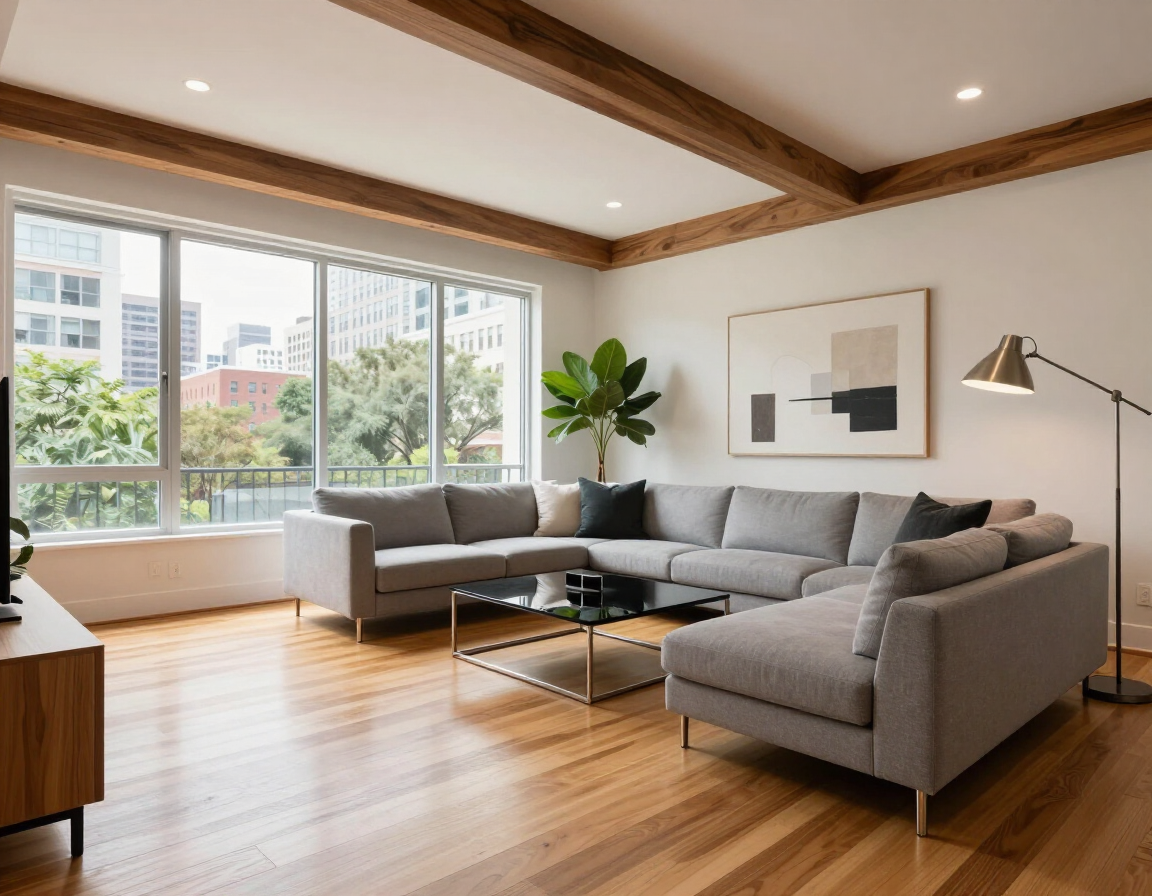
  • Opening up floor plans to create a cohesive flow between rooms
  • Integrating smart home technology for security and climate control
Open Concept Living Area

Is it better to remodel or rebuild after home damage?

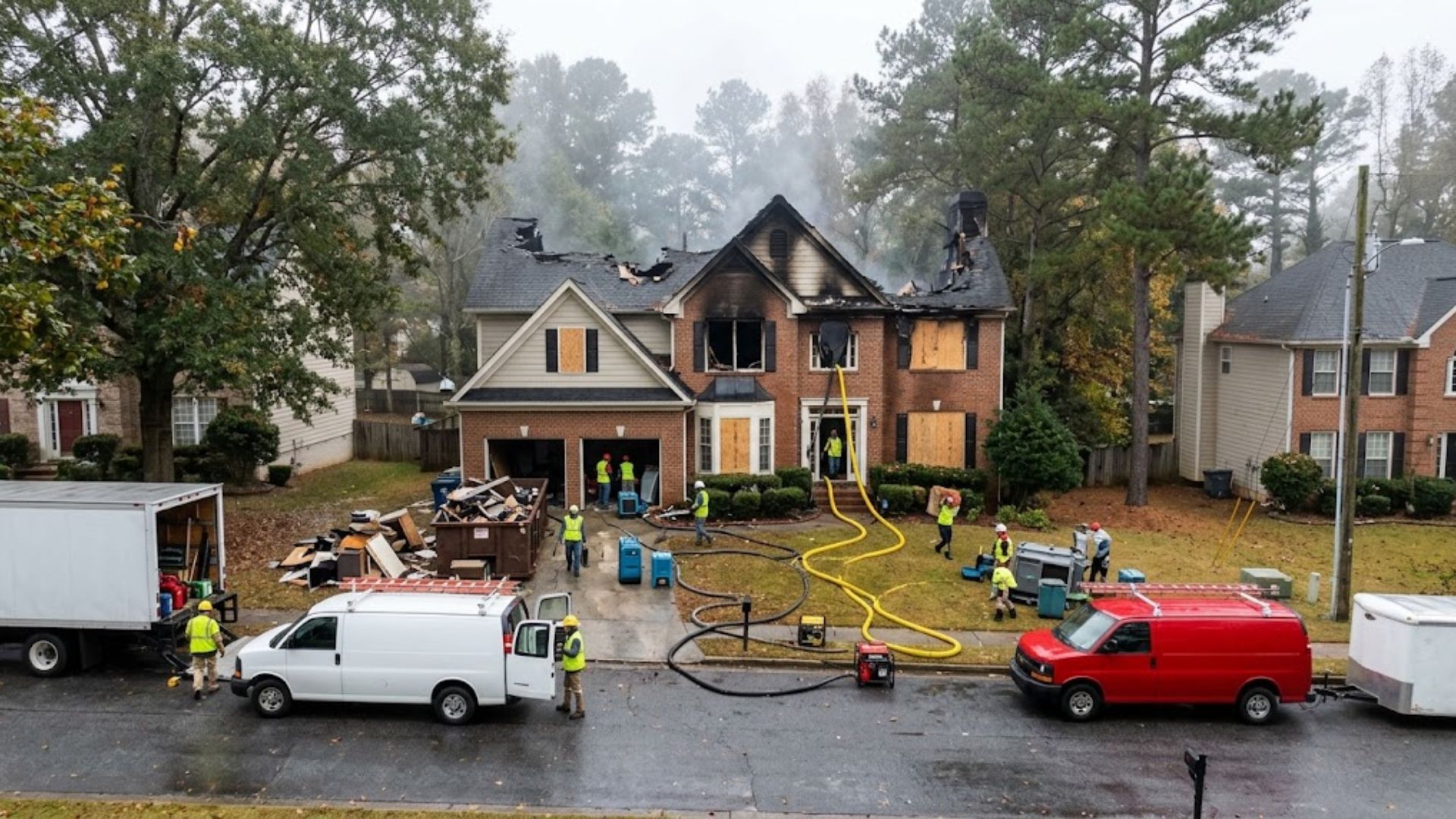
Homeowners often face a difficult choice after experiencing fire, water, or storm damage. Is it better to repair the damage or take the opportunity to complete a full remodel? In many cases, the restoration process provides a perfect window for upgrades. Since walls are already open and systems are being inspected, the incremental cost of upgrading materials or slightly changing a layout can be much lower than starting a remodel from scratch later.

At Superior Restoration , we specialize in this overlap between restoration and reconstruction. We understand that your home is more than just a building; it’s your sanctuary. When damage occurs, our goal is not just to return it to its previous state, but to "rebuild with confidence." We handle everything from mold remediation to complete structural reconstruction, ensuring that your home is safer and more beautiful than it was before the incident. You can read more about our history and commitment to Atlanta homeowners on our blog .

Choosing a Professional Remodeling Contractor

Selecting the right partner for your project is the single most important factor in its success. A professional contractor does more than just swing a hammer; they manage schedules, coordinate subcontractors, pull permits, and ensure all work meets local safety standards. In 2026, vetting a contractor involves more than just looking at a portfolio; you must ensure they are fully licensed, insured, and have a reputation for transparency.

When evaluating potential contractors, ask for references from recent projects in the Atlanta area. A reputable company will be happy to provide a list of satisfied clients. Additionally, ensure that you receive a detailed, written contract that outlines the payment schedule, timeline, and dispute resolution process. Avoid contractors who demand large upfront payments or refuse to provide written estimates, as these are significant red flags in the industry.

Superior Restoration: Atlanta’s Reconstruction Experts

With over three decades of experience, Superior Restoration has established itself as a leader in the Atlanta restoration and remodeling industry. Our deep roots in the community allow us to understand the specific needs of local homeowners, from navigating the City of Atlanta permitting process to selecting materials that withstand the Georgia humidity. We pride ourselves on a conversational approach that puts our clients at ease during what can be a stressful time.

Our comprehensive range of services includes:

  • Complete home reconstruction after fire or water damage
  • High-end kitchen and bathroom remodeling
  • Mold, fire, and asbestos remediation for safe living environments
  • Contents cleaning and packing during the renovation process
  • Detailed project management from concept to completion

We believe that every home has the potential for greatness. Whether you are recovering from a disaster or simply ready for a change, our team is dedicated to restoring what matters most to you. If you are ready to start your journey toward a better home, we invite you to contact us for a consultation.

Summary of Home Remodeling Best Practices

Successful home remodeling in 2026 requires a blend of creative vision and disciplined planning. By following a structured approach—starting with a clear definition of goals and a robust budget—you can minimize stress and maximize the value of your investment. Remember that the quality of your contractor is the foundation of your project's success. Prioritize transparency, communication, and local expertise to ensure your vision becomes a reality.

Key Takeaways:

  • Start with a direct plan and clear "why" for your project.
  • Include a 20% contingency fund in your budget for hidden costs.
  • Focus on high-ROI areas like kitchens, bathrooms, and home offices.
  • Combine restoration and remodeling after damage for cost-efficiency.
  • Choose an experienced, local Atlanta contractor with a proven track record.

Planning your next project doesn't have to be overwhelming. With the right team and a solid plan, you can transform your house into the home of your dreams while ensuring it stands the test of time.

Share this article

Recent Posts

By Jamie Randall • October 28, 2026
After a house fire, Atlanta property owners face smoke damage, soot, and difficult decisions. Here's what our fire damage restoration process actually involves.
By Jamie Randall • October 21, 2026
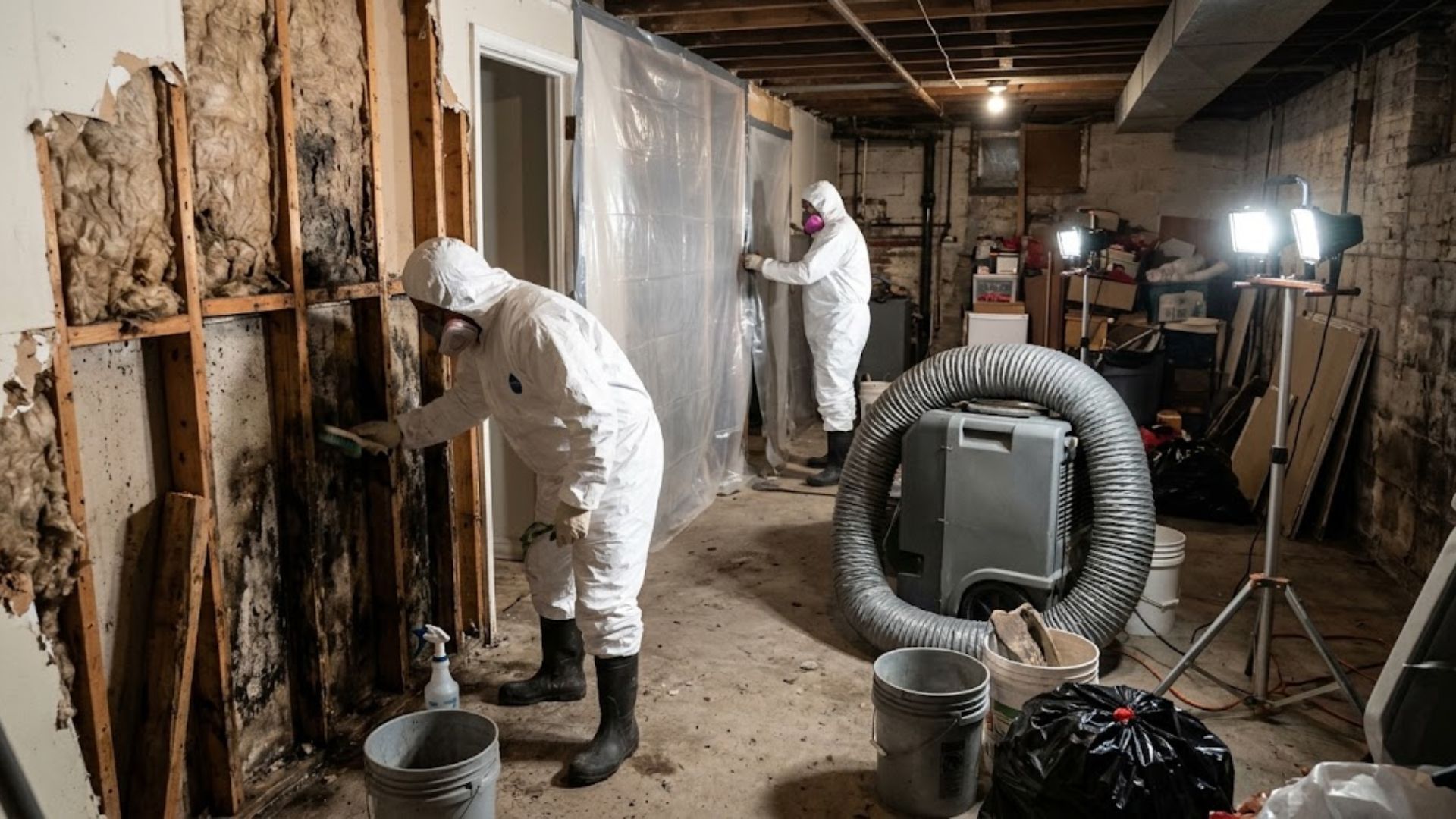
Noticing musty odors or water stains in your Atlanta home? Learn the causes of mold, warning signs, and our remediation process for a healthier space.
By Jamie Randall • October 14, 2026
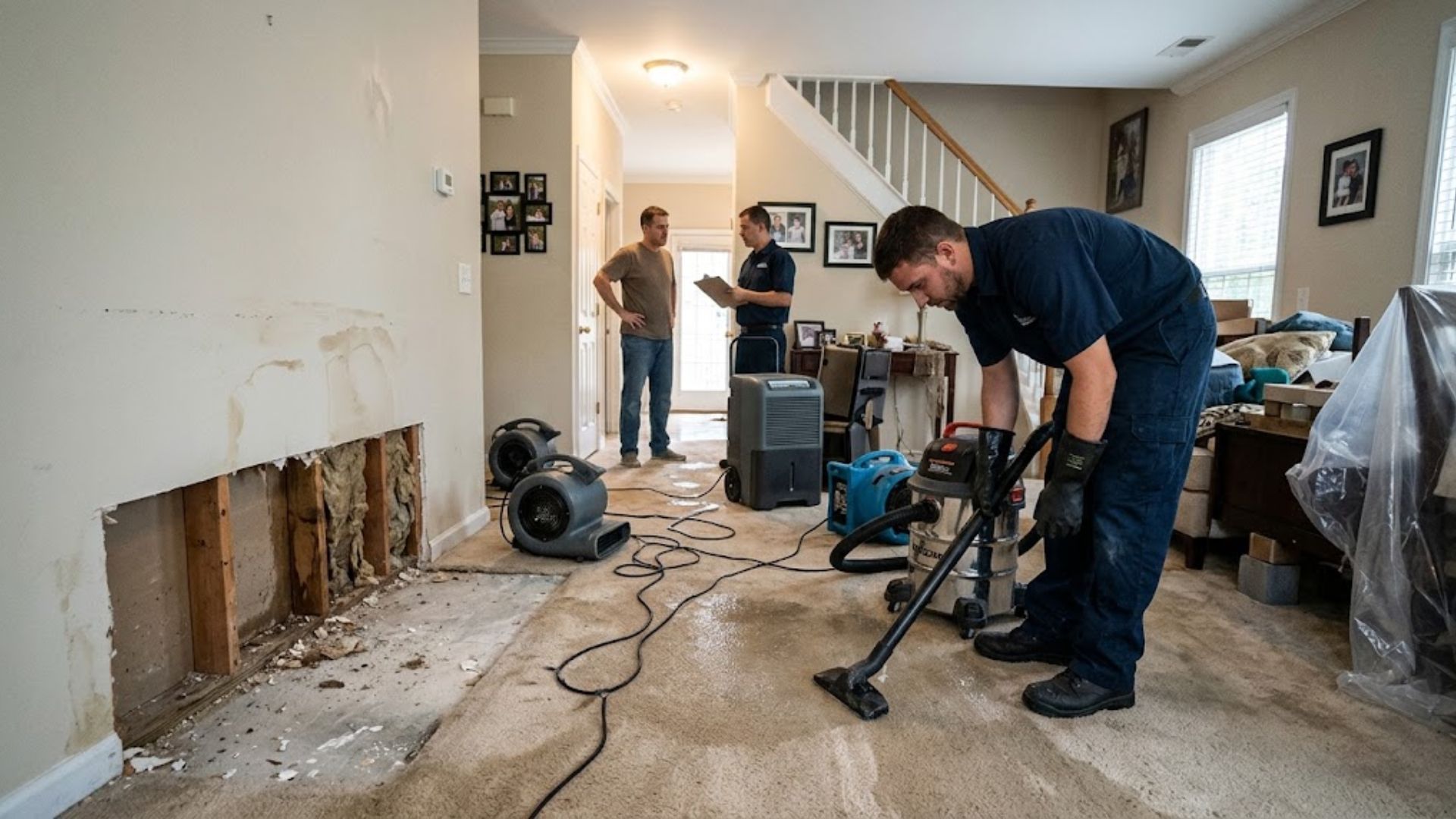
Water doesn't need a flood to do serious damage. A supply line behind a washing machine, a slow leak under a kitchen sink, or a sump pump that fails during a heavy rain can soak flooring and drywall just as thoroughly as a burst pipe. In Sandy Springs, where many homes have mature landscaping, finished basements, and plumbing systems that have been in place for decades, these smaller water events happen more often than homeowners expect. This article explains the common causes of water damage in the area, how our restoration process works, and the decisions homeowners need to make quickly to limit damage and support an insurance claim. Common Causes of Water Damage in Sandy Springs Homes Several factors specific to this area contribute to water damage calls we see throughout the year. Aging plumbing: Many homes in established Sandy Springs neighborhoods have original plumbing that's more prone to leaks and pipe failures as it ages. Heavy seasonal rainfall: Georgia's spring storms can overwhelm grading and drainage around homes, pushing water toward foundations and basements. Finished basements: Basements used as living space are more likely to sustain costly damage to flooring, drywall, and furniture when water gets in. Appliance and HVAC failures: Water heaters, washing machine hoses, and HVAC condensation lines are common sources of slow leaks that go unnoticed until damage is visible. Tree roots: Mature trees common throughout Sandy Springs can intrude on sewer or water lines over time, leading to leaks or backups. Understanding Water Damage Categories Not all water damage carries the same risk, and the category of water involved affects how a restoration project is handled. 1. Clean Water This includes water from a broken supply line or rainwater without contaminants. It carries the lowest risk but can still cause significant structural and material damage if left standing. 2. Gray Water Water from sources like washing machines, dishwashers, or sump pump discharge may contain some contaminants and requires more careful cleanup to avoid health risks. 3. Black Water Water from sewage backups, flooding, or water that's been standing for an extended period is considered contaminated and requires specialized handling, including removal of affected porous materials. Our Water Damage Restoration Process Once we're on site, our goal is to stop the damage from spreading and begin drying as quickly as possible. 1. Damage Assessment We inspect the property to identify the source of the water and the full extent of affected materials, including areas that may not be visibly wet yet. 2. Water Extraction Standing water is removed first, since every hour it sits increases the risk of damage to flooring, drywall, and subflooring. 3. Structural Drying We use professional moisture detection equipment along with air movers and dehumidifiers to dry materials that can be restored. Drying typically takes three to five days, though the timeline depends on how much water was involved and what materials were affected. 4. Moisture Monitoring We track drying progress against target moisture levels rather than guessing when a space is dry, which helps prevent mold growth later. 5. Documentation We record the affected areas and damaged materials throughout the project to support your insurance claim. 6. Repairs and Restoration Any drywall, flooring, or insulation that couldn't be saved is replaced as part of the project, so your home is fully restored rather than left with a gap in the work. What to Do (and Avoid) Before Help Arrives A few decisions in the first hour or two after discovering water damage can affect the outcome of the project. Do shut off the water source if it's safe and accessible, such as a supply valve under a sink. Do move furniture and valuables away from standing water if you can do so safely. Don't use a household vacuum to remove standing water, which can cause electrical damage. Don't wait to see if a small leak dries out on its own. Hidden moisture behind walls or under flooring often leads to mold within a couple of days. Don't throw away damaged items before documenting them for your insurance claim. Water Damage and Insurance Considerations
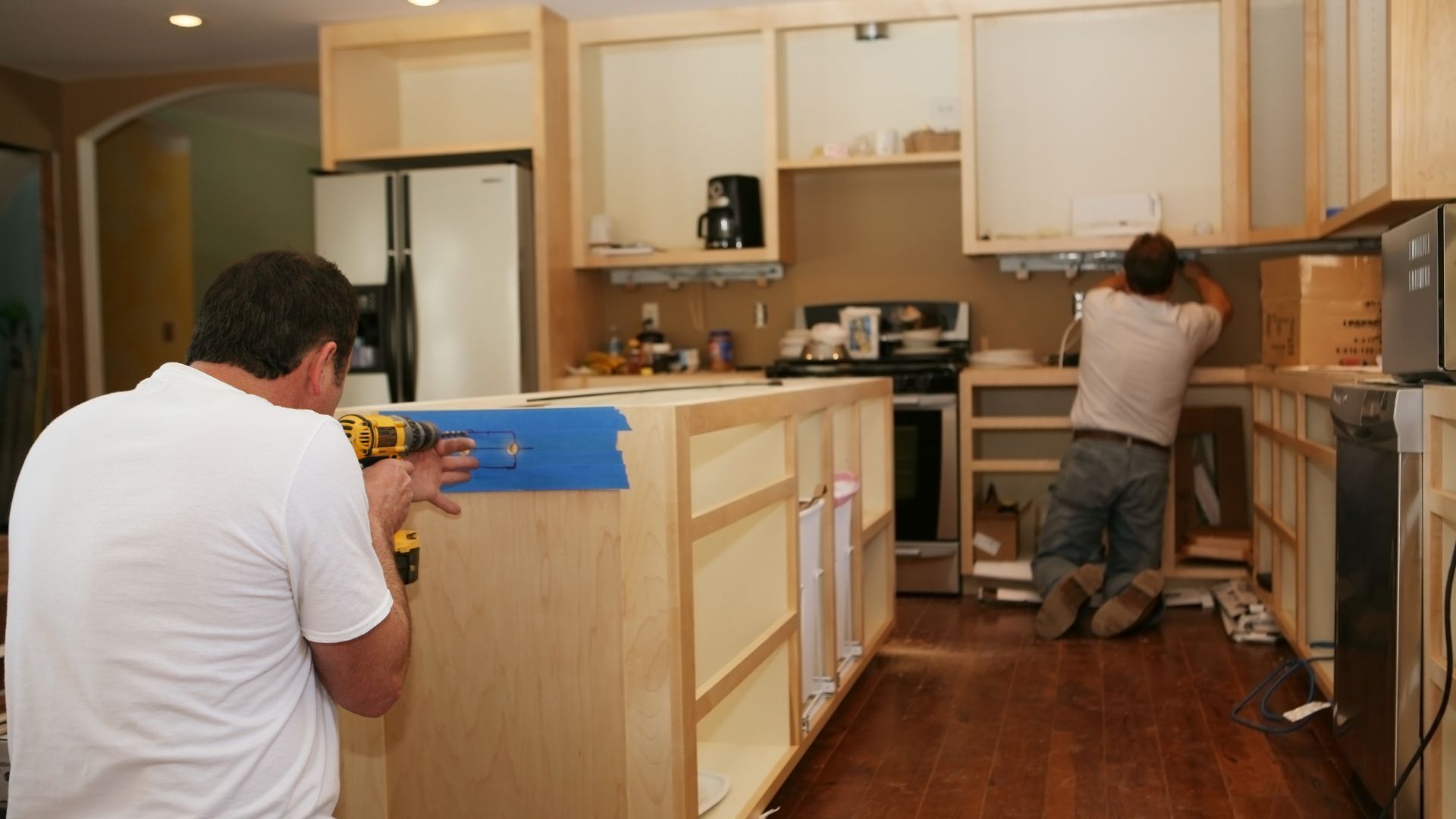
Remodeling contractor after water damage
By Jamie Randall • October 7, 2026
Planning a remodel after water damage in Atlanta, GA? Learn when to rebuild versus upgrade, how the process works, and what to expect from start to finish.
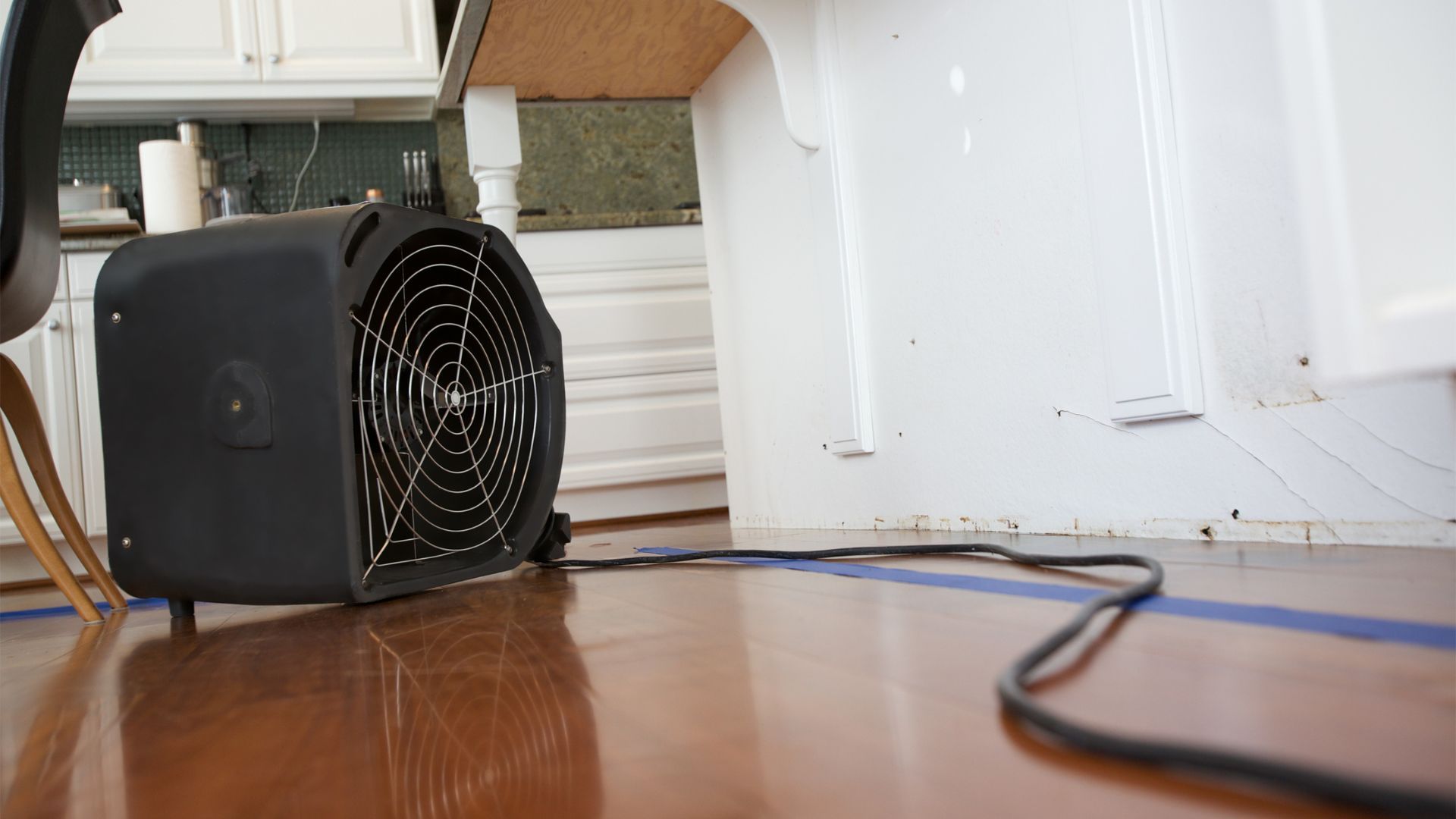
water damage restoration for property
By Jamie Randall • September 17, 2026
Water damage reconstruction in Atlanta, GA explained: how restoration and rebuilding work together, what to expect, and how the process gets your property whole.

Water damage insurance polic
By Jamie Randall • September 16, 2026
A clear guide to filing a water damage insurance claim in Atlanta, GA: what your policy covers, the steps to take, and mistakes that cost you money.