Reconstruction: 5 Steps to Rebuild Your Atlanta Home
Reconstruction is the comprehensive process of rebuilding a property after it has sustained significant damage from water, fire, or mold. Unlike basic repairs, it involves structural work, code compliance, and finishing to restore a home to its pre-loss condition, ensuring long-term safety, stability, and aesthetic value for homeowners.
What is the difference between restoration and reconstruction?
Many homeowners use the terms restoration and reconstruction interchangeably, but they represent two distinct phases of the recovery process. Restoration typically focuses on mitigation and cleaning. This involves removing standing water, drying out structures, remediating mold, or cleaning soot and smoke residue after a fire. The goal of restoration is to stop further damage and prepare the space for the next phase.
Reconstruction, on the other from, is the actual physical rebuilding of the home’s structure and interior. While restoration might save a hardwood floor from buckling, reconstruction is what happens when the floor is beyond saving and needs to be completely replaced. It involves heavy-duty tasks such as framing, roofing, electrical rewiring, plumbing installation, and drywall hanging. In many cases, a project begins with restoration services and concludes with full-scale reconstruction to ensure the property is livable once again.
For Atlanta residents, understanding this distinction is crucial when dealing with insurance companies. Often, an insurance claim will have separate line items for mitigation (restoration) and structural repairs (reconstruction). Working with a company that handles both can significantly streamline the communication between your contractor and your insurance adjuster, reducing the time you spend out of your home.
5 essential steps in the home reconstruction process
Rebuilding a home is a complex undertaking that requires careful planning and execution. To help you understand what to expect, we have broken the process down into five primary stages:
- Damage Assessment and Structural Engineering: Before a single nail is driven, experts must evaluate the integrity of the remaining structure. This often involves structural engineers who ensure the foundation and load-bearing walls are safe.
- Permitting and Code Compliance: Atlanta has specific building codes that must be followed. Reconstruction provides an opportunity to bring older homes up to current safety standards, which is often required by law during major rebuilds.
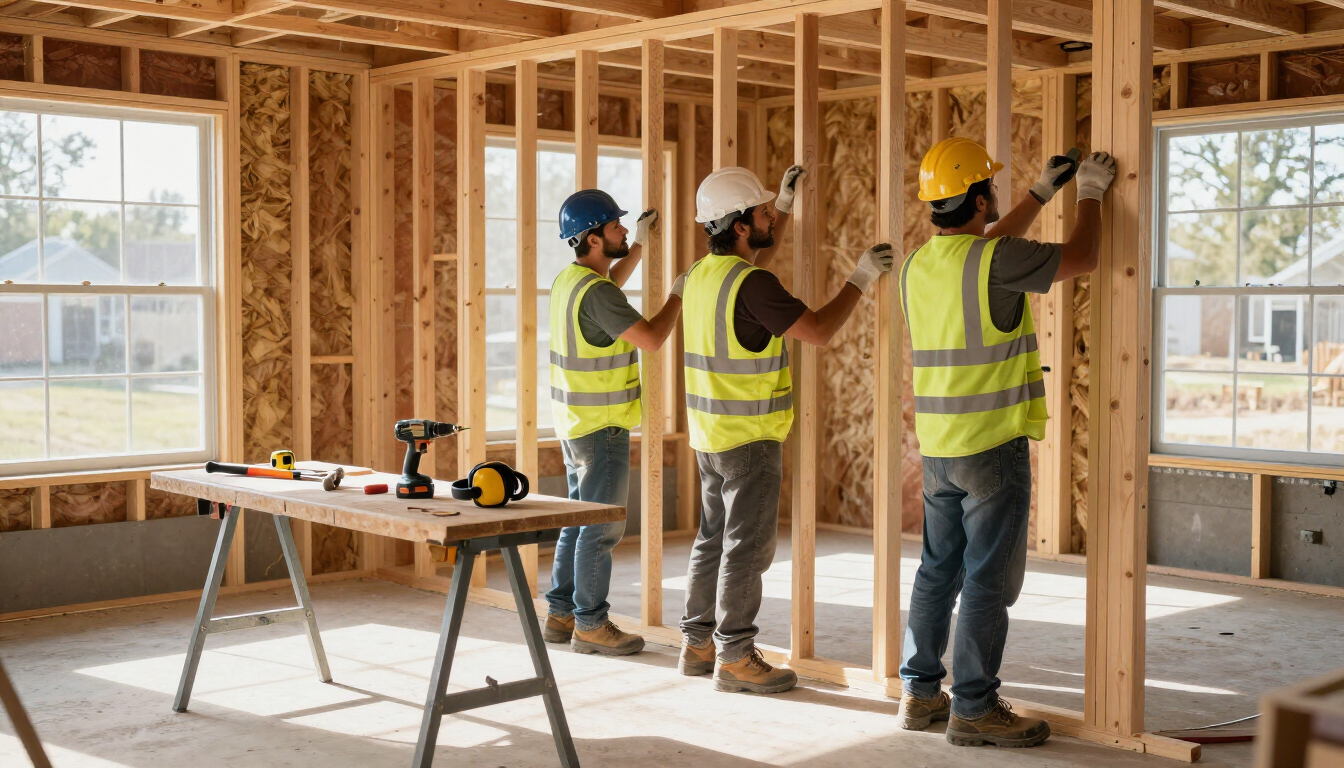
- Structural Framing and Rough-In: This is the "skeleton" phase where walls are rebuilt, and the electrical, plumbing, and HVAC systems are installed behind the scenes.
- Interior Finishing: Once the structure is sound and inspected, the focus shifts to aesthetics. This includes hanging drywall, painting, installing flooring, and fitting cabinetry.
- Final Inspection and Walkthrough: The last step ensures that every detail meets both the homeowner's expectations and the local building department's requirements for a certificate of occupancy.
How long does the reconstruction process take?
The timeline for reconstruction varies significantly based on the extent of the damage and the size of the home. A minor kitchen rebuild following a localized pipe burst might take three to six weeks. However, a major reconstruction project following a significant house fire or a large-scale flood can take anywhere from three to nine months, or even longer if there are supply chain delays or complex architectural requirements.
Several factors influence the speed of your rebuild:
- Insurance Approval: The speed at which your insurance company processes the claim and approves the estimates directly impacts when work can begin.
- Material Availability: Specialty items like custom cabinetry, imported tile, or specific roofing materials can add weeks to a timeline if they are on backorder.
- Weather Conditions: For exterior reconstruction, such as roof replacement or siding repair, Atlanta’s seasonal rain and humidity can cause temporary pauses in production.
- Permit Processing: The time it takes for local municipalities to review and approve building permits is a variable that contractors cannot always control.
Navigating these timelines requires a partner who understands the local landscape. At Superior Restoration, we draw on over 30 years of experience to provide realistic schedules and keep projects moving forward even when obstacles arise. You can learn more about our history and our commitment to Atlanta homeowners on our dedicated company page.
How to navigate insurance claims for reconstruction?
Dealing with insurance is often the most stressful part of the reconstruction journey. The key to a successful claim is documentation. From the moment the damage occurs, every conversation, every photo, and every estimate should be logged. When you transition into the reconstruction phase, your insurance adjuster will need a detailed "Scope of Work" that outlines exactly what needs to be rebuilt and the associated costs.
It is highly recommended to work with a reconstruction contractor who has experience in Xactimate, the industry-standard software used by most insurance adjusters. This ensures that the language used by your contractor matches the language used by your insurance company, leading to fewer disputes and faster approvals. Remember, you have the right to choose your own contractor; you are not obligated to use the "preferred vendors" suggested by the insurance company, although those vendors must meet strict quality standards.

Choosing high-quality materials for your rebuild
When you are forced into a reconstruction project, it is also an opportunity to make upgrades that can increase your home's value and resilience. Choosing high-quality materials during the rebuild phase can prevent future issues. For example, if you are rebuilding a basement after water damage, opting for moisture-resistant drywall and luxury vinyl plank (LVP) flooring rather than traditional carpet can make a significant difference in how the space handles future humidity or minor leaks.
Consider the following material upgrades during reconstruction:
- Energy-Efficient Windows: If the exterior walls are being opened, it is the perfect time to upgrade to double or triple-pane windows to lower utility bills.
- Advanced Insulation: Using spray foam or high-density batt insulation can improve the thermal envelope of your home.
- Fire-Resistant Siding: If you are rebuilding after a fire, materials like fiber cement siding (Hardie Plank) offer much better fire resistance than traditional wood or vinyl.
Common reconstruction challenges in Atlanta homes
Atlanta’s unique geography and climate present specific challenges for reconstruction. The high humidity in Georgia means that during the reconstruction process, the building must be carefully monitored for moisture levels to prevent mold from growing within new walls. Additionally, many historic neighborhoods in areas like Buckhead, Virginia-Highland, and Inman Park have older homes with lath and plaster walls, knob-and-tube wiring, or lead-based paint. Rebuilding these homes requires specialized knowledge to maintain the historic aesthetic while ensuring they meet modern safety codes.
Another challenge is the Atlanta soil, which is primarily red clay. This soil can shift and expand, potentially impacting the foundation during a major rebuild. A professional reconstruction team will assess the foundation to ensure that the new structure being built on top of it will remain level and secure for decades to come. If you have questions about a specific property, feel free to contact our team for a professional consultation.
Why choose a full-service restoration company for rebuilding?
The primary benefit of using a full-service firm like Superior Restoration is continuity. When the same team that dried out your home is the team that puts the drywall back up, nothing gets lost in translation. There is a seamless handoff between the mitigation crew and the construction crew. This prevents the common problem where a reconstruction contractor blames a restoration contractor for "not drying the studs enough," which can lead to mold issues later on.
We invite you to browse our blog for more case studies on how we’ve helped Atlanta families navigate these difficult times. For over 30 years, we’ve helped Atlanta homeowners recover from water damage, rebuild with confidence, and restore what matters most. Our deep roots in the community mean we understand the local building landscape better than anyone else.

Summary of Reconstruction Essentials
Reconstruction is the vital final step in returning your home to a safe, beautiful, and functional state after a disaster. By following a structured 5-step process—assessment, permitting, framing, finishing, and inspection—homeowners can navigate the complexities of rebuilding with less stress.
Key Takeaways for Homeowners:
- Distinguish between phases: Restoration stops the damage; reconstruction builds it back.
- Document everything: Keep meticulous records for insurance purposes to ensure full coverage.
- Focus on quality: Use the rebuild as an opportunity to upgrade to moisture-resistant or energy-efficient materials.
- Hire local expertise: Choose a contractor familiar with Atlanta’s specific building codes and climate challenges.
- Ensure continuity: Work with a full-service provider to bridge the gap between cleanup and construction.
If you are currently facing property damage, don't wait to start the planning process. Visit our Home page to see how we can assist you from start to finish.
Recent Posts